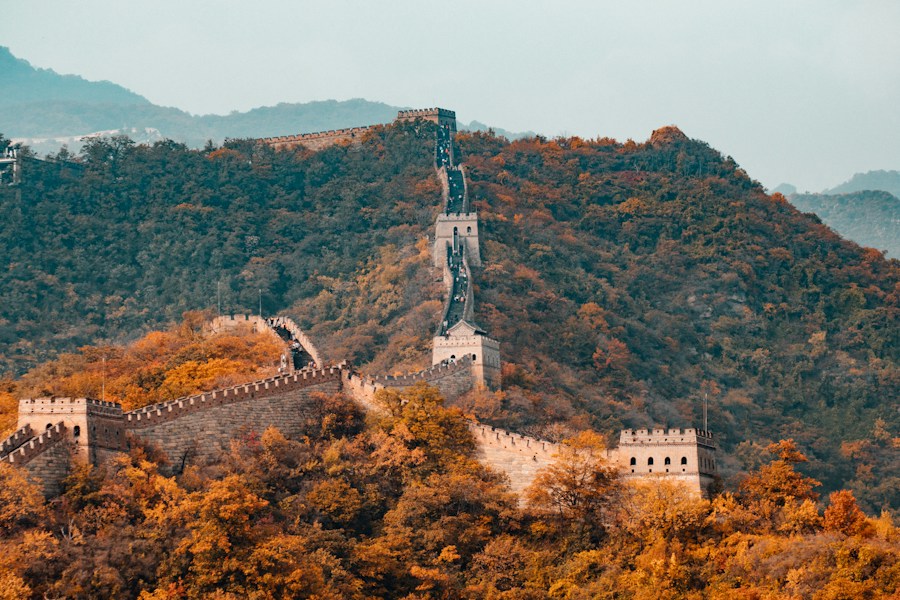
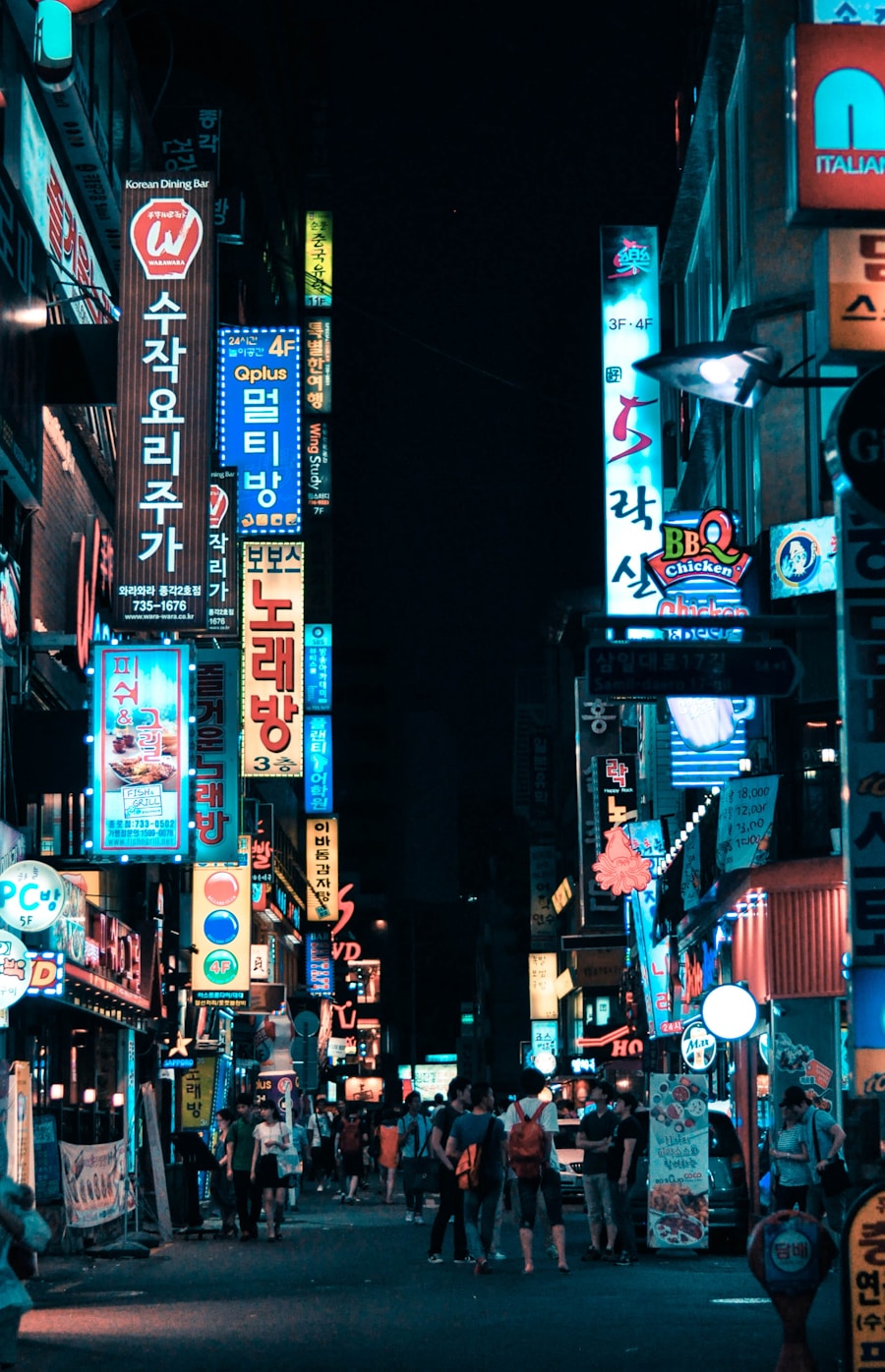
Asia is the largest continent in the world, home to a wide range of cultures, languages, belief systems, and historical traditions. It has been shaped by some of the world's earliest and most influential centres of civilisation, with longstanding contributions to philosophy, science, spirituality, trade, governance, and the arts.
From early river valley societies to contemporary urban centres, Asia reflects deep cultural diversity and ongoing social and economic transformation. Its civilizational heritage includes a broad range of intellectual, spiritual, and social traditions that continue to influence regional and global development.
Asia is the world's largest continent and one of the most diverse. It is commonly understood as comprising East Asia, Southeast Asia, South Asia, Central Asia, and West Asia, with Northern Asia extending across the Siberian region.
This vast geographic space is home to numerous ethnic groups, languages, belief systems, artistic traditions, and social practices, forming a highly varied cultural landscape.
Each region has contributed in distinct ways to global development, including philosophical traditions, spiritual systems, scientific and technological advancement, architectural heritage, literature, and contemporary cultural expression.
Asia continues to play a significant role in shaping global cultural, economic, and intellectual developments.
The continent is home to some of the world's oldest and most influential spiritual and philosophical traditions, including Islam, Buddhism, Hinduism, Confucianism, Taoism, Christianity, and a wide range of indigenous belief systems.
These traditions have contributed to diverse cultural and ethical frameworks, influencing perspectives on community life, moral responsibility, social harmony, and respect for tradition across different societies.
In many parts of Asia, social identity is closely connected to family structures, community networks, and cultural heritage. This has supported strong forms of social cohesion, intergenerational continuity, and collective responsibility. These characteristics continue to shape social organisation and cultural life across the region.
Each region of Asia has contributed in distinct ways to global development — through philosophical traditions, spiritual systems, scientific and technological advancement, architectural heritage, literature, and contemporary cultural expression.
From the earliest known writing systems and mathematical discoveries to trade networks that connected the ancient world, Asia's civilizational footprint spans millennia and continues to shape human progress today.
Asia continues to play a significant role in shaping global cultural, economic, and intellectual developments, contributing to a world enriched by its extraordinary depth and diversity.
From early river valley societies to contemporary urban centres, Asia reflects deep cultural diversity and ongoing social and economic transformation. Its cities stand among the world's most dynamic — centres of innovation, trade, culture, and civic life.
The continent's emphasis on education, community, and institutional development has supported remarkable social and economic progress across multiple generations, contributing to global dialogue on development, sustainability, and shared futures.
GCT works with partners across Asia in areas including:
Governments, academic institutions, cultural organisations, youth networks, private sector actors, and individuals across Asia are invited to engage with GCT in areas aligned with GCT Vision 2036.
Engagement may include cultural cooperation, dialogue initiatives, institutional collaboration, and programme-based partnerships.
Participation supports the strengthening of cooperation, mutual understanding, and long-term institutional relationships across the region.
Governments, institutions, academic bodies, cultural authorities, and individuals across Asia are invited to engage with GCT. Complete the form and the GCT Secretariat will respond.
Enquiry Received
Thank you for your interest in GCT Asia. The Secretariat will be in contact within ten working days.